
100% Silicone Foley Catheters
Excellence in design for reliable and comfortable acute and long-term urinary drainage in hospital or home care settings
Designed for Reliable Long-Term Performance
UNOQUIP 100% Silicone Foley Catheters are designed for reliable acute and long-term urinary drainage. Manufactured from 100% silicone, they support indwelling use for up to 90 days and are available in a comprehensive range of configurations.
- Inert 100% silicone material with wide drainage lumen designed to reduce the risk of blockage
- Long-term indwelling use for up to 90 days
- Available in Nelaton, Tiemann, Open Tip, paediatric, temperature-sensing and postoperative options
- 2-way catheters are suitable for suprapubic drainage
- Completely PVC-free (including the valve)


Long-term usage up to 90 days after insertion
UNOQUIP 2-way silicone Foley catheters can be retained in the human body for up to 90 days. The use of sterile aqueous glycerine solution enhances long-term use by significantly reducing diffusion through the catheter balloon, thereby minimising loss of fill volume.
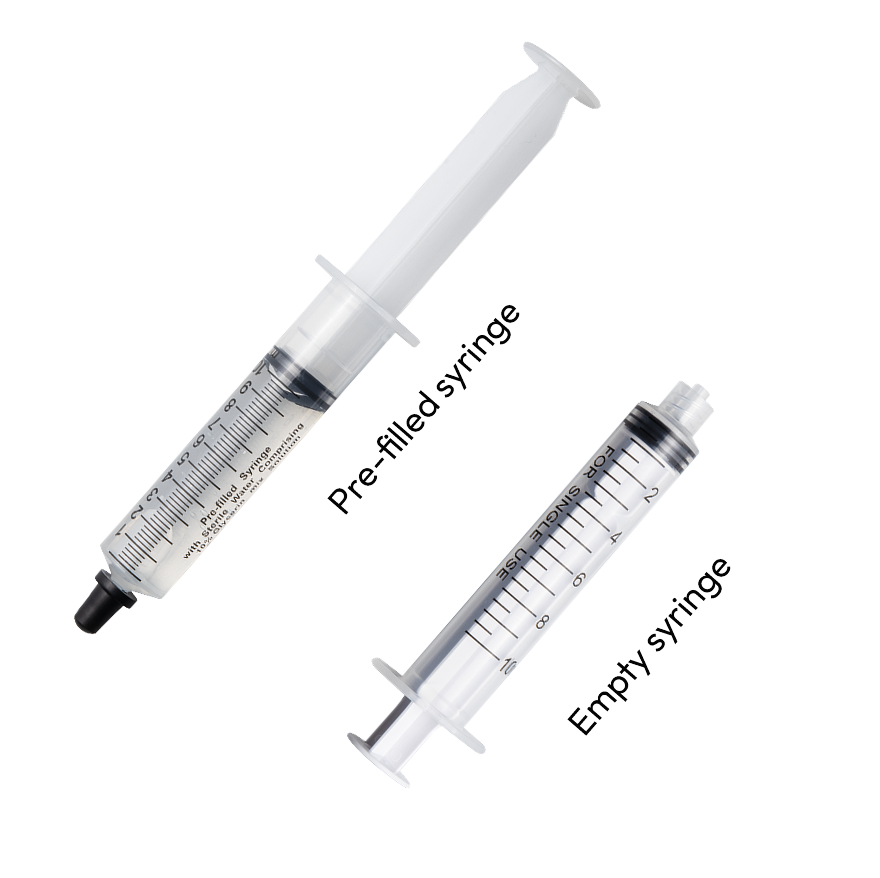
All UNOQUIP 2-way Foley catheters are optionally available as kits, including a syringe prefilled with 10% sterile aqueous glycerine solution. Additionally, the kits contain an empty syringe to support catheter replacement.
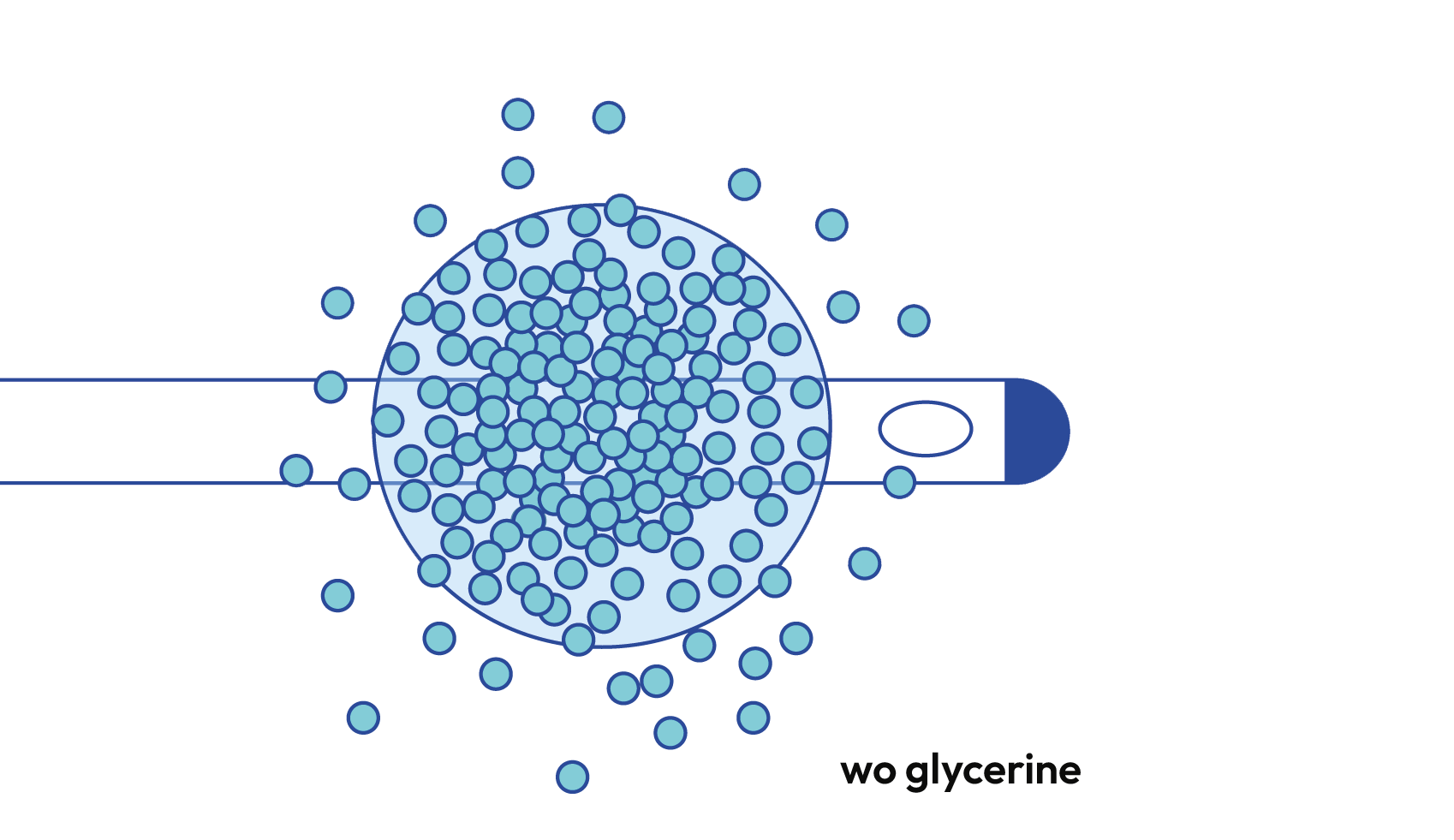
Without glycerine
While water easily diffuses through silicone balloon membranes, causing over 50% volume loss during long-term catheterisation, glycerine solution remains stable due to minimal diffusion.5,6,7,8,9
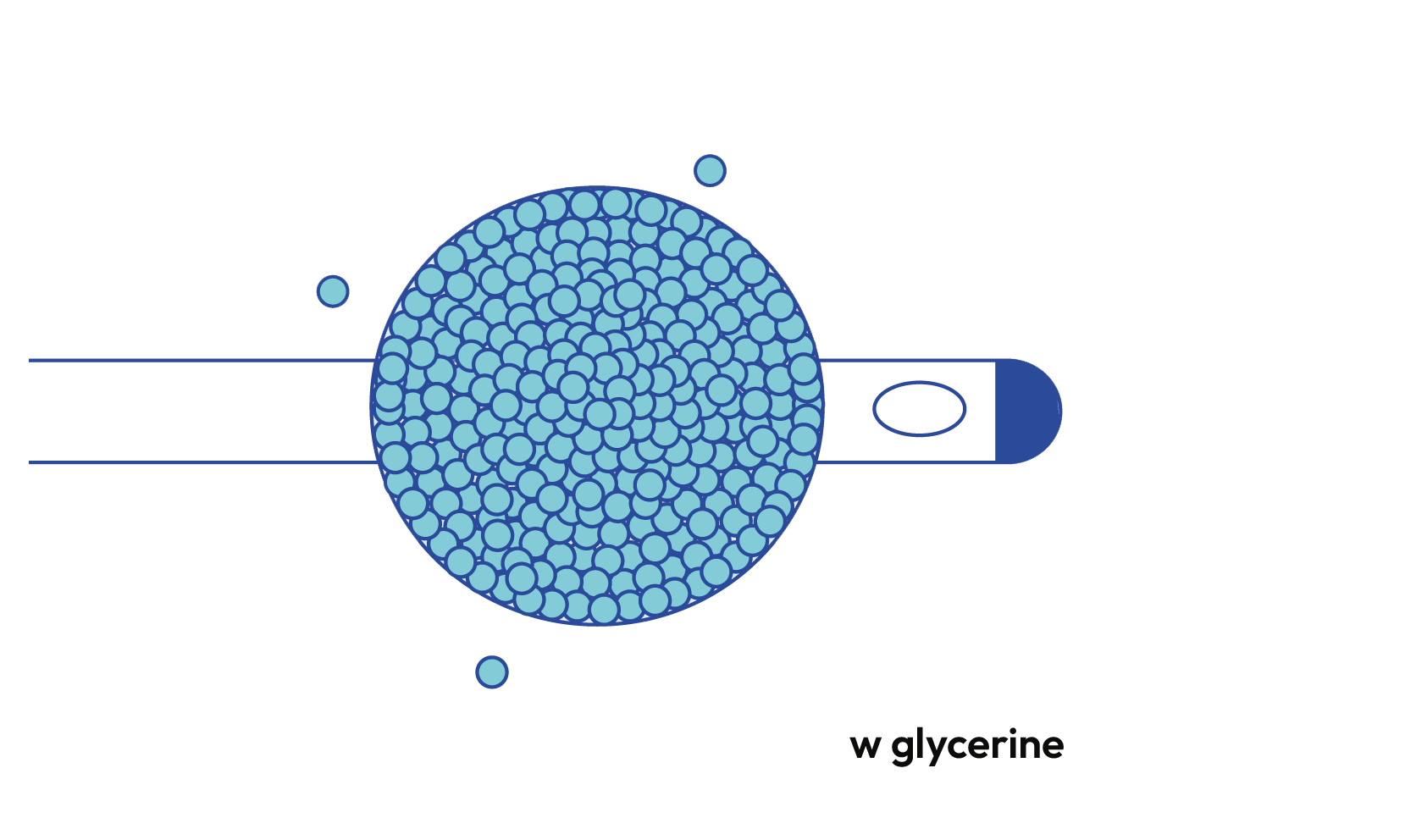
With glycerine
- Catheter is securely anchored, minimising dislodgement risk
- No regular checks and topping up required
- Time and cost savings due to reduced maintenance


Looking for Temperature-Sensing Foley Catheters?
This product range has moved to Fluid Management & Monitoring.
View Temperature-Sensing Foley Catheters → .
References:1 Nacey JN, Tulloch AGS, Ferguson AF. Catheter-induced Urethritis: A Comparison Between Latex and Silicone Catheters in a Prospective Clinical Trial. British Journal of Urology 1985;57:325-328; 2 HUANG et al. Effect of silicon and latex urinary catheters: a comparative study, 2005; 3 Tunney MM, Keane PF, Gorman SP. Assessment of urinary tract biomaterial encrustation using a modified Robbins device continuous flow model. J Biomed Mater Res. 1997;38(2):8; 4 Morris NS, Stickler DJ, Winters C. Which indwelling urethral catheters resist encrustation by Proteus mirabilis biofilms? British Journal of Urology 1997;80,58–6; 5 Evidence-based Guidelines for Best Practice in Urological Health Care Catheterisation - Indwelling catheters in adults. Urethral and Suprapubic, European Association of Urology Nurses 2024. 6 Studer UE, Bishop MC, Zingg EJ. How to fill silicone catheter balloon. Urology. 1983 Sep;22(3):300-2; 7 JoAnn Mercer Smith, BSN, RN, CWOCN, Indwelling Catheter Management: From Habit-based to Evidence-based Practice, Ostomy Wound Manage. 2003;49(12):34-45; 8 Long-term indwelling silicone foley catheter test report. 2015. In vitro test report. Copy on file; 9 Test report for 10% glycerin solution. In vitro test report. Copy on file.